The Physical Manifestation of a Sinful Nature and Habitual Sin

Let's start by defining and understanding the difference between the sinful nature and sin (habitual sin). Everyone is born with a sinful nature; we inherit this nature from our ancestral parents, Adam and Eve. Romans 5:12, 19 indicates, "Therefore, just as through one man sin entered into the world, and death through sin, and so death spread to all men, because all sinned— For as through the one man’s disobedience the many were made sinners, even so through the obedience of the One the many will be made righteous."
Paul speaks to the Romans and explains the problem of sin as an inheritance; we are fallen, sinful, and spiritually incapable of choosing what is right. This sinful nature bends the human will towards choices that are in opposition to God. These choices, willful transgressions against a known law, are the result and fruit of our sinful nature - Sins. Sin is a transgression against the very law of God; it is the choice and act of man against the revealed character of God. We are, by our very nature, enemies of God, unless we resolve the problem of our very nature and our deeds born of our sinful inheritance.

How Sin Influences the Body
Sin is a powerful obstacle in life; it separates us from accessing the fellowship we so desperately need. Men/Women alike need fellowship with God; we are created with a want, a deep desire to share who and what we are with our heavenly Father. Sin is not just an abstract concept; it affects the whole person. When someone repeatedly engages in sinful behavior, the body often responds with signs of inner turmoil. This can include:
Stress and anxiety caused by guilt or shame
Fatigue and exhaustion from emotional and spiritual strain
Changes in posture that reflect a burdened or defeated spirit
Sin does not affect just your spiritual being, as a bipartite/tripartite being; what affects one area of your life will affect the rest. If I sin with my body, it affects my mind and soul - The results are subtle and, for the most part, unforeseen or unrecognized. Sin, however, does not need my recognition to do its part.
The Role of Habitual Sin in Physical Health
Habitual sin means repeatedly falling into the same wrongdoing, which can create patterns that affect health. These patterns may include:
Addictive behaviors such as substance abuse or overeating
Neglect of self-care due to feelings of unworthiness or despair
Sleep disturbances caused by restless conscience or anxiety
Consider someone who habitually indulges in anger or bitterness. This can raise blood pressure and increase the risk of heart disease. The body’s response to ongoing negative emotions tied to sin is indicative of being out of alignment with God's intent for your life. God wants man/woman to be at peace, to have control, and to exercise emotions that are healthy and productive. Sin distorts our perception of nature and reality, and a simple confrontation or disagreement is now grounds for dislike, hatred, or hostility.
The connection between spirit and body is clear. When the spirit is burdened by sin, the body often suffers. This is not just metaphorical; it is observable in real life. For instance:
People who experience deep remorse often cry or lament their past decisions.
Those who carry guilt may show signs of withdrawal or physical lethargy.
Carrying a secret sin hinders our relationships with our friends, family, and spouses.
This interplay suggests that addressing our sinful nature and sin (habitual sin) will heal our mind, soul, and spirit.
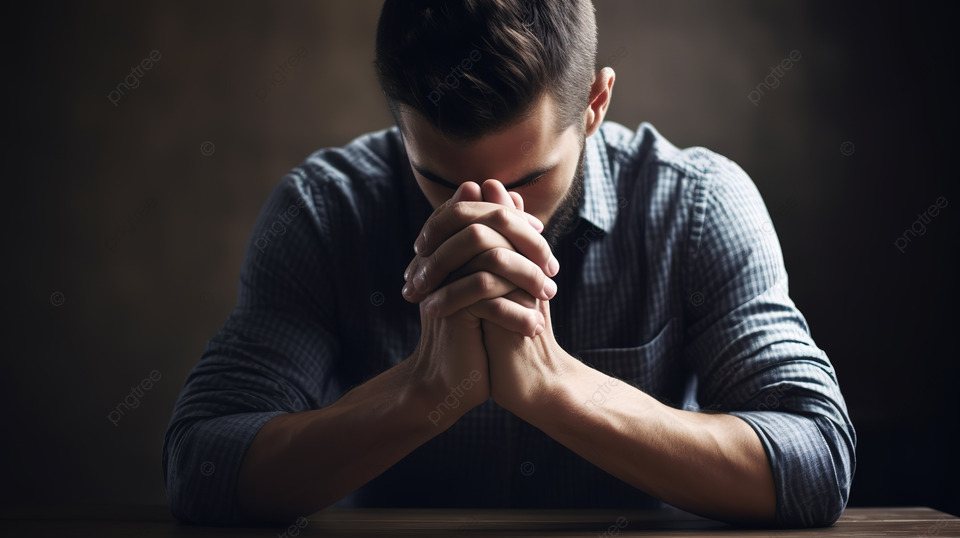
Who shall separate me from this body or sin and death?
Our culture offers a great variety of solutions to our sinful nature and sin. It's surprising how many solutions men/women will suggest, avoiding the very simple solution God has provided for this serious problem.
Yoga, Meditation, or forms of Breathing Exercises
Physical Fitness, Bodybuilding, Martial Arts
Self-Help books, Audiobooks, or Motivational coaches
Life coaches, Mentors, and Accountability groups
None of the aforementioned bullet points is bad for a person seeking to grow. Exercise, healthy eating, and proper rest are great ways to improve your mood, mind, and body. They do not address the problem we are talking about. There is nothing a man can do to rid himself of his sinfulness and sin. That work was finished on the Cross, and only the power of the blood of Christ can renew a man completely. In Romans 8:3-5, Paul provides the only solution,
"For what the Law could not do, weak as it was through the flesh, God did: sending His own Son in the likeness of sinful flesh and as an offering for sin, He condemned sin in the flesh, in order that the requirement of the Law might be fulfilled in us, who do not walk according to the flesh, but according to the Spirit. For those who are according to the flesh set their minds on the things of the flesh, but those who are according to the Spirit, the things of the Spirit."
Repent, and commit to your repentance, turn from sin, and never go back.
Breaking free from habitual sin requires grace through faith in our Lord Jesus Christ. Paul writes, "For by grace you have been saved through faith; and that not of yourselves, it is the gift of God; not as a result of works, that no one should boast. For we are His workmanship, created in Christ Jesus for good works, which God prepared beforehand, that we should walk in them."
Everything is by grace through faith, not just salvation but even your sanctification, and your walk in the Spirit. It is by grace through faith that we approach Jesus with our shortcomings and pray that what is still deficient in us be made whole. The very power of God's grace, made available through the death and resurrection of Jesus Christ, washes us of our sin and nails our nature to the cross. We die so that through us Jesus may live. There is no sin Christ cannot break if you repent and ask Jesus to heal you and make you whole.
Someone might say, "I am in such addiction, I don't have the faith to believe that Christ can do this for me." I am happy for the man in Mark 9:23-24, he confessed to his lack of faith and Christ made up the difference.
Jesus said to him, “‘If You can!’ All things are possible to him who believes.” Immediately, the boy’s father cried out, saying, “I do believe; help my unbelief.”
Keep this in mind
If you lack faith, God will give you faith to believe in His love for you and be saved.
If you fail in your walk, GET UP! We honor God through our commitment, not our perfection.
Live a life of repentance. Never assume that you have obtained a walk free of spiritual consequences. On the contrary, guard your heart and constantly pray.
Know that your God loves you, and he desires to save you more than you desire to be saved and made whole.
Never return to your Sin/Sins. A true believer turns away from sin, hates sin, and desires to be made pure. True believers do not live a life of habitual sin. So, stop sinning, and make a commitment to "Never return to your sin. Jesus is the author of this very sentiment.
To the woman caught in adultery, Jesus says, "And straightening up, Jesus said to her, “Woman, where are they? Did no one condemn you?” And she said, “No one, Lord.” And Jesus said, “Neither do I condemn you; go your way. From now on, sin no more.”
To the man healed at the pool of Bethesda, Jesus says, “Behold, you have become well; do not sin anymore, so that nothing worse may befall you.”
Final Thoughts on Sin and the Body
The discussion above demonstrates that humanity’s core problem is twofold: the inherited sinful nature received through Adam and the habitual sins that flow from that nature. Paul’s teaching makes clear that sin is not merely an action but a condition—one that shapes our will, distorts our perception, and influences our physical, emotional, and spiritual health. Habitual sin reinforces this broken condition, creating destructive patterns that affect the whole person and disrupt fellowship with God.
Yet the solution Paul presents is equally clear: no human effort, discipline, or self‑help strategy can resolve the problem of sin. Only the work of Christ—His incarnation, sacrifice, and resurrection—can condemn sin in the flesh and free us from both its nature and its practice. Through repentance, grace, and faith, the believer receives a renewed nature and the power to walk according to the Spirit rather than the flesh. This transformation demands commitment, vigilance, and a refusal to return to the sins Christ has freed us from, but it is sustained entirely by God’s love and enabling grace.
Ultimately, the call is simple and uncompromising: turn from sin, live a life of repentance, and trust that God will supply the faith, strength, and restoration needed for a life aligned with His will. Christ’s words—“sin no more”—are not an impossible burden but an invitation into the wholeness made possible only through Him.


Comments